Local betting products shape regional growth
Local products drive betting growth
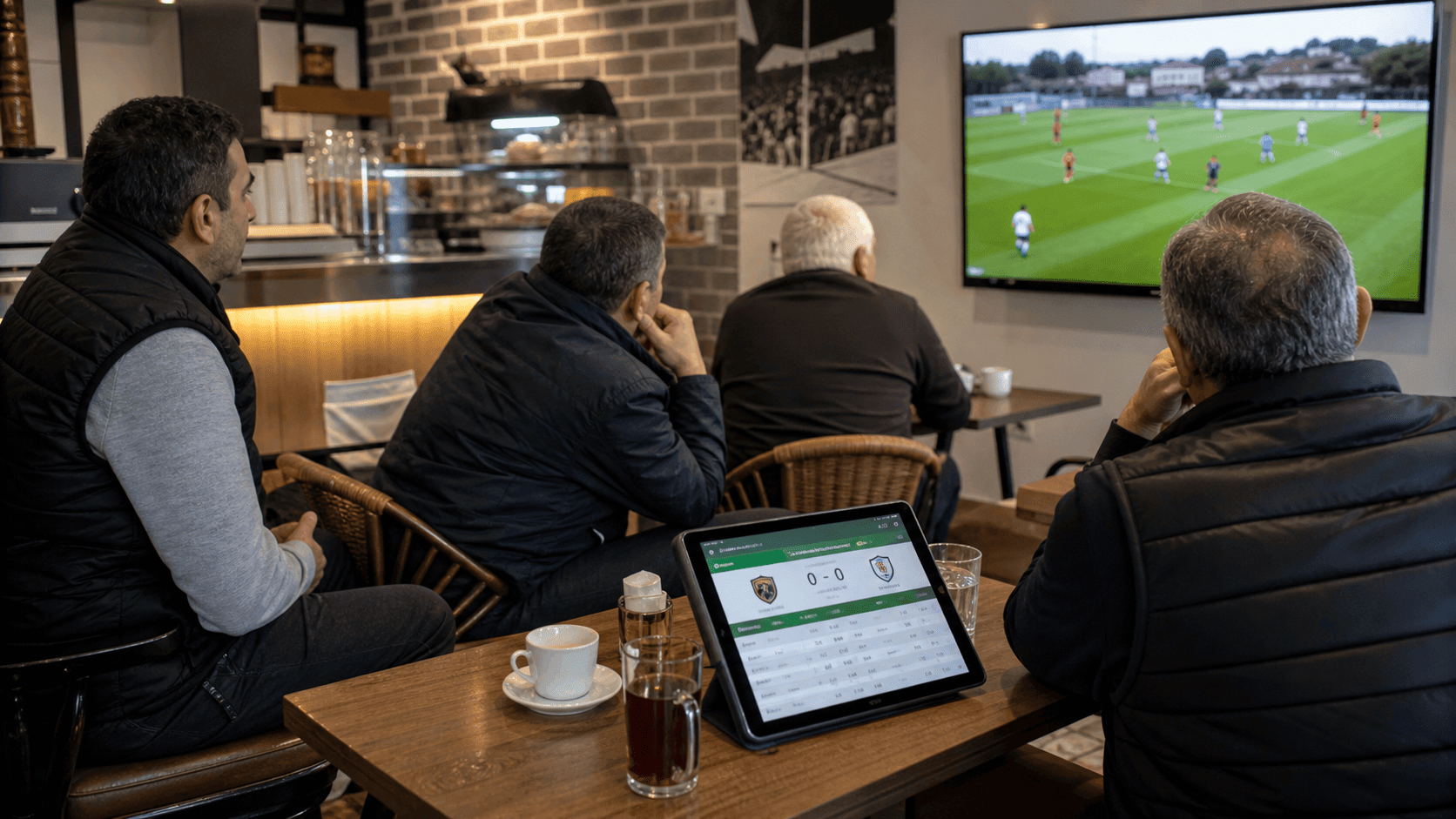
Alt: People watching a local football match in a café with a betting interface on a tablet
Localization is becoming one of the clearest themes in betting and iGaming this year. Operators are no longer treating new regions as copies of older markets. Instead, in a sector where large platforms such as bizbet also need to adapt to local user habits, products are being shaped around regional payment methods, language needs, sports preferences, and regulatory demands.
Recent industry reports point in the same direction. Growth in newer regulated markets is tied less to simple expansion and more to how well platforms match local user behavior. Payments, trust, interface design, and local content now sit at the center of regional planning. One 2026 industry outlook noted that compliance, local payments, and brand trust became immediate priorities in fast-moving regulated markets.
Local habits now shape the product
For betting operators, localization used to mean translation. That is no longer enough. In mobile-first markets, where users may search for access through terms such as 1xbet indir, a platform may be available in a local language but still feel wrong if payment methods are unfamiliar, odds formats are confusing, or support does not match user expectations.
This is why product teams are looking at the full user journey. They want to know how people register, deposit, follow sports, use mobile apps, and ask for help. Each region can show different patterns.
A user in one market may prefer mobile wallets. Another may expect bank transfer options. Some users want quick live markets for football. Others may look first at local leagues or events that have a stronger cultural weight.
What operators are changing first
Localization affects more than one part of a betting platform. It touches product design, content, payments, and customer support at the same time.
The most visible changes include:
- Local payment methods added to cashier pages
- Language updates that sound natural, not translated word-for-word
- Sports markets are arranged around regional interest
- Mobile layouts adjusted for common device habits
- Support teams trained for local user questions
Regional planning is getting more detailed
Operators are also becoming more careful with market entry. A broad regional plan is not enough anymore. Two nearby markets can still need different product choices.
|
Product area |
Why it matters locally |
|
Payments |
Users trust methods they already know |
|
Language |
Poor wording can hurt confidence |
|
Sports order |
Local favorites need faster access |
|
Verification |
Rules and document habits differ |
|
Support |
Clear answers reduce frustration |
Payments are doing quiet work
Payments are one of the biggest parts of localization. In many regions, users judge a betting platform by how easy it is to deposit and withdraw. If the payment page looks unfamiliar, trust can drop quickly.
A 2025 payments report on Latin American iGaming noted that regulation, technology, and changing user habits are driving stronger interest across the region. It also pointed to payments as a key part of how operators approach growth there.
This explains why more operators are working with local payment providers. The goal is not only speed. It is also a comfort. Users want to see options they recognize and understand.
Language must feel human
Good localization also depends on language. Betting terms can be tricky. A direct translation may be correct on paper, but strange in real use.
That is why operators are moving away from basic translation and toward local writing. Buttons, error messages, market names, and account notices need to sound clear. If users have to stop and decode a phrase, the product has failed at a simple task.
This is especially important on mobile. There is less space, less patience, and more chance that unclear wording will push users away.
Growth now depends on fit
The wider betting sector is becoming more regional in how it thinks. Operators still want scale, but scale now depends on local fit. A single product model cannot cover every market well.
Industry forecasts for 2026 also point to Asia, Africa, and Latin America as areas where localization, easier interfaces, and content adapted to local audiences matter more.
That does not mean every region needs a completely different platform. It means the core product has to bend where users need it to bend. Payments, sports order, wording, support, and verification all have to feel natural.